

You’ve tried the creams. The facials. The home remedies your aunt swore by. Maybe even a few serums that promised to “fade scars in weeks.” And yet, the same textured patches remain every time you look in the mirror under good lighting.
This is one of the most common frustrations we hear from patients — not because they haven’t tried hard enough, but because most topical products simply aren’t designed to reach where the real damage lives. Acne scarring isn’t just a surface issue; it’s a change in the skin’s underlying structure, and no amount of creaming over it will rebuild what’s been lost beneath.
This blog breaks down why acne scars are so stubborn, how a treatment like fractional radiofrequency works differently, and what realistic results actually look like.
Why Acne Scars Are Hard to Treat Topically
Not all acne marks are the same. Pigmentation — the flat, discoloured spots left behind after a breakout — sits on the surface and often fades with time, sun protection, and the right actives. Textural scarring, however, is a different story altogether. Boxcar, rolling, or ice-pick scars form when acne damages collagen deep within the skin, leaving behind depressions that no serum can physically fill in.
This is precisely why creams tend to plateau. They can improve tone and texture at a surface level, but they were never built to rebuild collagen structure sitting millimetres below.
What Is Fractional Radiofrequency Skin Resurfacing
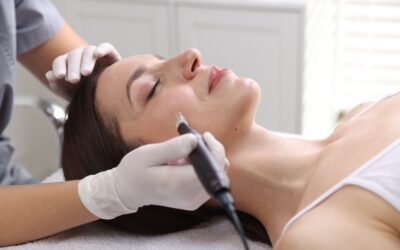
Fractional radiofrequency resurfacing works on a simple principle: create controlled, microscopic channels in the skin, and deliver RF energy through them to stimulate collagen renewal from within. The body responds to this micro-injury by repairing and rebuilding — gradually improving texture, scarring, and skin firmness over subsequent weeks.
The word “fractional” simply means only a fraction of the skin is treated at a time, leaving surrounding tissue intact. This allows for faster healing and significantly less downtime compared to fully ablative treatments.
It’s also worth noting how this differs from traditional laser resurfacing. Since RF energy targets the deeper skin layers through heat rather than relying heavily on light-based wavelengths, it tends to carry a lower risk of pigmentation changes — making it a safer, more suitable option for Indian and other darker skin tones, which are more prone to post-treatment discoloration with certain laser types.
What It Can (and Can’t) Fix
This treatment tends to work well for boxcar and rolling acne scars, enlarged pores, fine lines, and mild skin laxity. What it won’t do is deliver an overnight transformation. Collagen remodeling is a gradual biological process, and visible improvement typically builds across multiple sessions rather than appearing after just one.
What the Treatment Process Looks Like
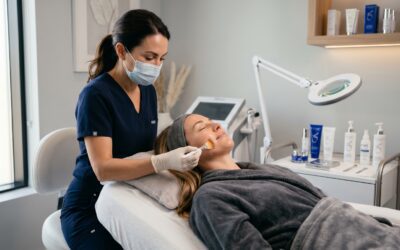
Every treatment plan should start with a proper skin assessment, not a one-size-fits-all package. During a session, numbing is typically applied beforehand, and most patients describe a warming or mild prickling sensation rather than significant discomfort. Downtime is generally minimal — some redness or sensitivity in the days following, with normal skincare and sun protection guiding the recovery period.
Who Should (and Shouldn’t) Consider This
Ideal candidates are those with persistent textural scarring that hasn’t responded to topical treatments over time. That said, this isn’t the right starting point for everyone. Active acne breakouts or certain underlying skin conditions usually need to be stabilised first, since treating inflamed skin can do more harm than good.
How Richmond Dental and Aesthetic Center Approaches Skin Resurfacing
At Richmond Dental and Aesthetic Center, fractional radiofrequency in Bangalore is approached the same way any dermatological treatment should be — starting with a thorough assessment under Dr. Hajira Nazeer. Scar type, skin tone, and skin history all shape the treatment plan, rather than applying a standard protocol to every patient who walks in.
In Summary
Textural acne scars can feel permanent, but they’re often more treatable than they seem — the key lies in addressing skin at the level where the damage actually occurred.
Curious if skin resurfacing is right for you? Book a skin consultation with Dr. Hajira Nazeer at Richmond Dental and Aesthetic Center.

Leave a Reply