
Introduction
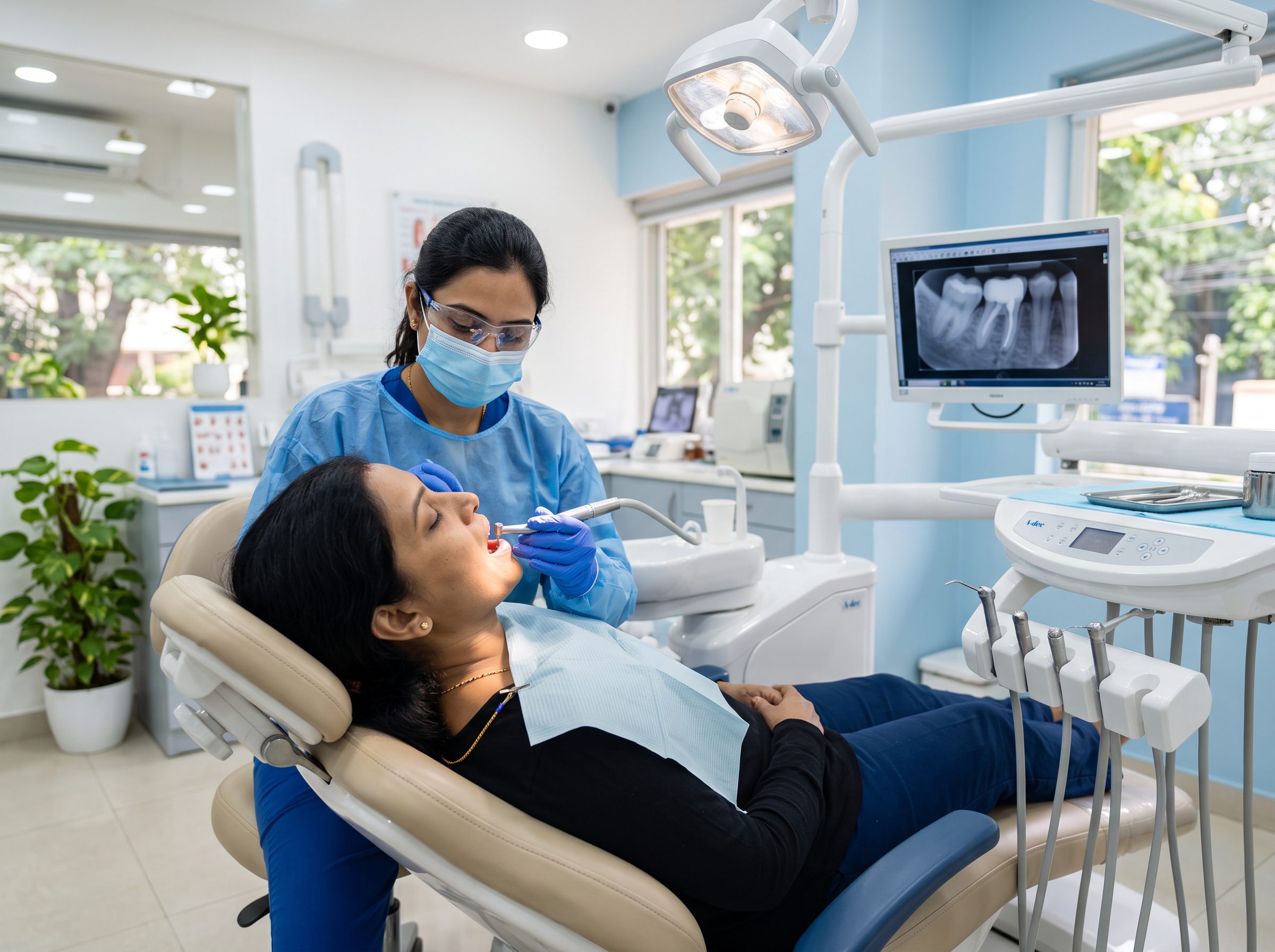
The words “root canal” often make people think of pain and discomfort. However, modern dentistry has transformed this perception. Today, a painless root canal treatment in Bangalore is not only possible but also a routine procedure that helps eliminate severe tooth pain while preserving your natural tooth. With advanced technology, effective local anaesthesia, and experienced dental professionals, patients can undergo treatment with minimal discomfort.
At Richmond Dental and Aesthetic Center, Bangalore, Dr Hajira Nazeer focuses on providing comfortable, patient-centric dental care using modern techniques that prioritise precision and safety.
What Causes Pain Before a Root Canal?
Contrary to popular belief, the pain is usually caused by the infected or inflamed pulp inside the tooth—not the root canal procedure itself. Deep cavities, cracked teeth, repeated dental procedures, or untreated infections can irritate the nerves, leading to severe toothache, sensitivity to hot and cold foods, swelling, or pain while chewing.
A root canal removes the infected tissue, relieving the source of pain rather than causing it.
Why Modern Root Canal Treatment Is More Comfortable
Advanced Local Anaesthesia
Modern local anaesthesia effectively numbs the affected tooth and surrounding tissues before treatment begins. As a result, most patients feel little more than slight pressure during the procedure instead of pain.
Modern Dental Technology
Today’s dental technology has significantly improved treatment outcomes. Digital X-rays provide accurate diagnosis, while rotary endodontic instruments allow dentists to clean and shape the root canals more efficiently. These advancements reduce treatment time and improve patient comfort.
Minimally Invasive Techniques
Modern root canal procedures are designed to preserve as much healthy tooth structure as possible. Smaller access openings, precision instruments, and improved sealing materials make the treatment less invasive and promote faster recovery.
Expertise of an Experienced Dentist
The experience of the treating dentist plays an important role in ensuring a comfortable procedure. Accurate diagnosis, careful planning, and gentle treatment techniques help reduce patient anxiety while delivering predictable, long-lasting results.
Step-by-Step: What Happens During a Modern Root Canal?
Understanding the procedure often helps patients feel more confident.
The dentist first examines the affected tooth using digital imaging. Once the diagnosis is confirmed, local anaesthesia is administered to numb the area completely. A small opening is then created in the tooth to remove the infected pulp. The root canals are carefully cleaned, disinfected, and shaped before being filled with a specialised material to prevent reinfection. Finally, depending on the condition of the tooth, a dental crown may be recommended to restore its strength and function.
What Does a Patient Feel During the Procedure?
Most patients are surprised by how comfortable modern root canal treatment feels. During the procedure, you may notice gentle pressure or vibration from the dental instruments, but significant pain is uncommon. Many patients compare the experience to having a routine dental filling.
Open communication with your dentist also helps ensure maximum comfort throughout the treatment.
Recovery After Root Canal Treatment
Is Mild Discomfort Normal?
It is normal to experience mild tenderness or sensitivity for a day or two after the anaesthesia wears off. This temporary discomfort usually responds well to prescribed medication and gradually improves as the tissues heal.
However, persistent swelling or severe pain should be evaluated by your dentist without delay.
Tips for Faster Healing
Following a few simple aftercare instructions can support quicker recovery:
- Avoid chewing on the treated tooth until the final restoration is completed.
- Maintain excellent oral hygiene by brushing and flossing regularly.
- Take prescribed medications exactly as directed.
- Attend follow-up appointments.
- Get the recommended dental crown placed to protect the treated tooth.
When Should You Visit a Dentist?
Ignoring tooth pain rarely solves the problem. If you experience continuous toothache, prolonged sensitivity to hot or cold foods, swelling around the gums, pain while biting, or notice a darkened tooth, it is important to seek professional evaluation promptly. Early diagnosis can often prevent complications and increase the chances of saving your natural tooth.
If you are searching for trusted dental clinics in Bangalore, choosing a clinic that combines advanced technology with experienced dental care can make your treatment more comfortable and successful.
Conclusion
Modern root canal treatment has evolved significantly and is designed to relieve pain rather than cause it. Thanks to advanced anaesthesia, minimally invasive techniques, and improved dental technology, most patients experience a comfortable procedure and a smooth recovery.
If you are experiencing persistent tooth pain, don’t postpone treatment. Visit Richmond Dental and Aesthetic Center in Bangalore, where Dr Hajira Nazeer provides personalised, comfortable, and effective dental care to help restore your oral health with confidence.
Frequently Asked Questions
Is a modern root canal treatment really pain-free?
Most patients experience little to no pain during the procedure because modern local anaesthesia effectively numbs the treatment area. The treatment itself is intended to eliminate the pain caused by infection.
How long does a root canal procedure take?
Depending on the complexity of the tooth, a root canal usually takes between 60 and 90 minutes and may require one or two appointments.
Will I need a dental crown after a root canal?
In many cases, yes. A dental crown strengthens the treated tooth, restores its function, and protects it from future fractures.
Can I eat immediately after root canal treatment?
It is advisable to wait until the numbness wears off before eating. Soft foods are generally recommended for the first day, and chewing on the treated tooth should be avoided until your dentist advises otherwise.
How do I know if I need a root canal?
Persistent tooth pain, prolonged sensitivity to temperature changes, swollen gums, pain while biting, or a darkened tooth are common signs that may indicate the need for root canal treatment. A dental examination can confirm the diagnosis.


Leave a Reply